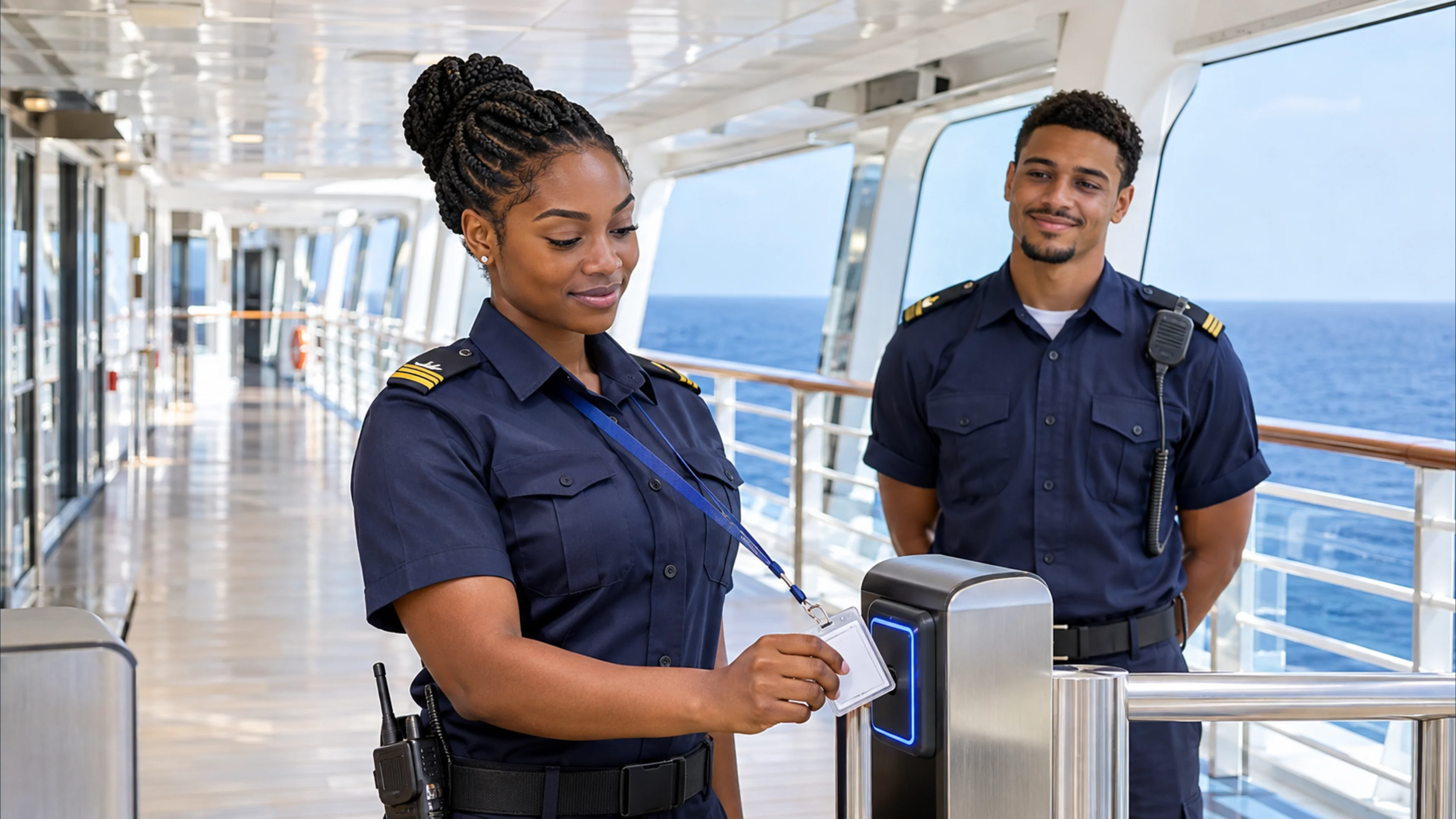
VIRSEC · UK MCA Approved
Security Awareness (PSA) for Cruise Ships
Foundation security awareness for passenger-vessel crew without designated security duties.
Book now
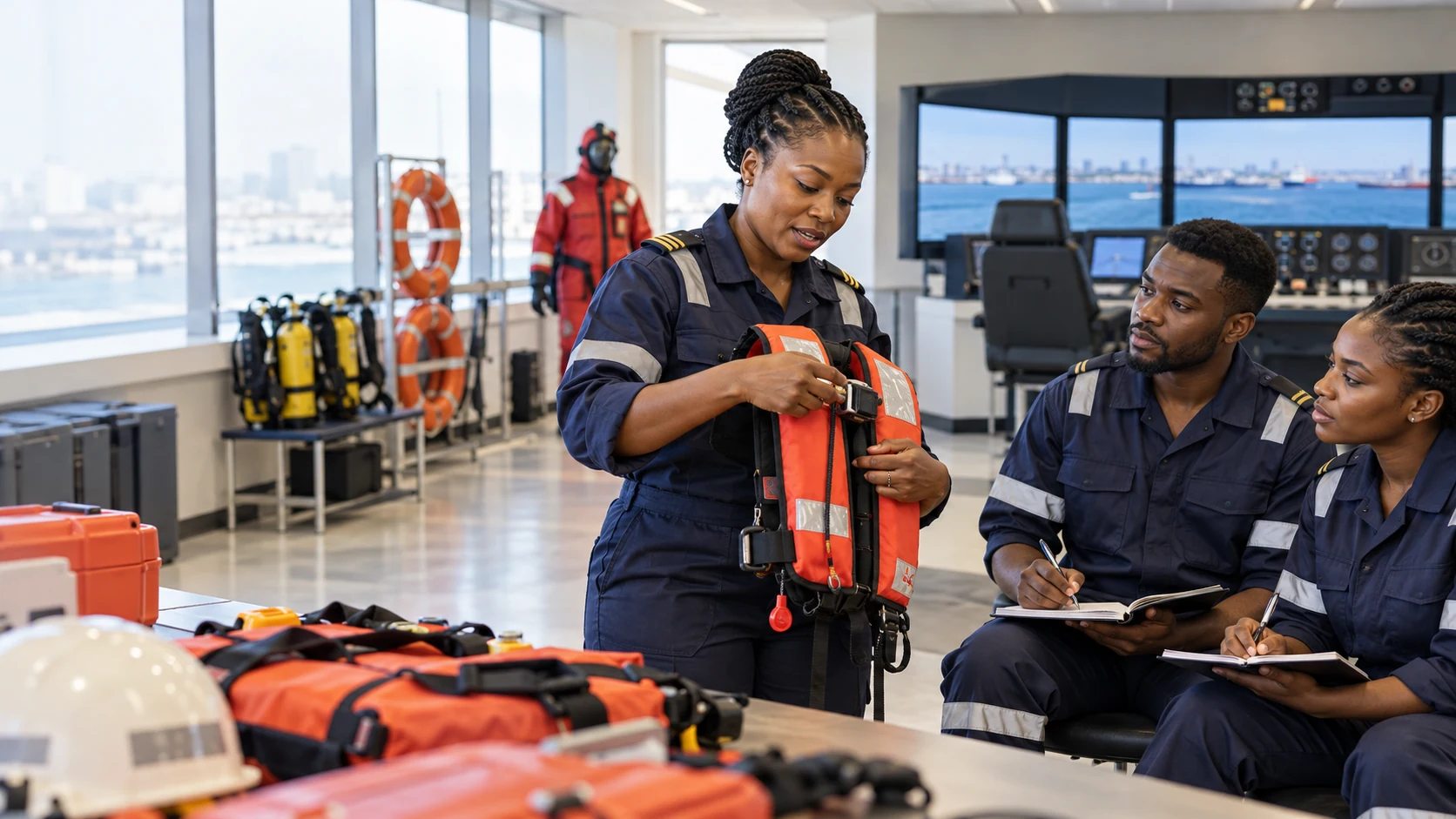
Learning & career development
Explore maritime safety training, role-specific courses, online learning and career programs. Start with the work you want to do, then confirm the exact course with your recruiter and the relevant authority before booking.
A clearer starting point
Training can help you meet a specific job requirement, build a professional skill or prepare for a new career path. The right course depends on the position, your duties, the employer, the ship and the maritime rules that apply to your assignment.
That means there is no single course list that every cruise ship applicant should buy. Some roles call for particular safety, security or passenger-vessel training; technical and licensed positions may need professional certificates; other jobs may have different requirements.
Use this page to explore the options, then check the vacancy or ask your recruiter what is required, which certificate is accepted, and when to complete it.
Online course catalogue
These five online courses are listed by Maritime Finance and delivered through VIRSEC. Select the course that matches your assignment, then confirm approval and eligibility with your employer before paying.
VIRSEC · UK MCA Approved
Foundation security awareness for passenger-vessel crew without designated security duties.
Book now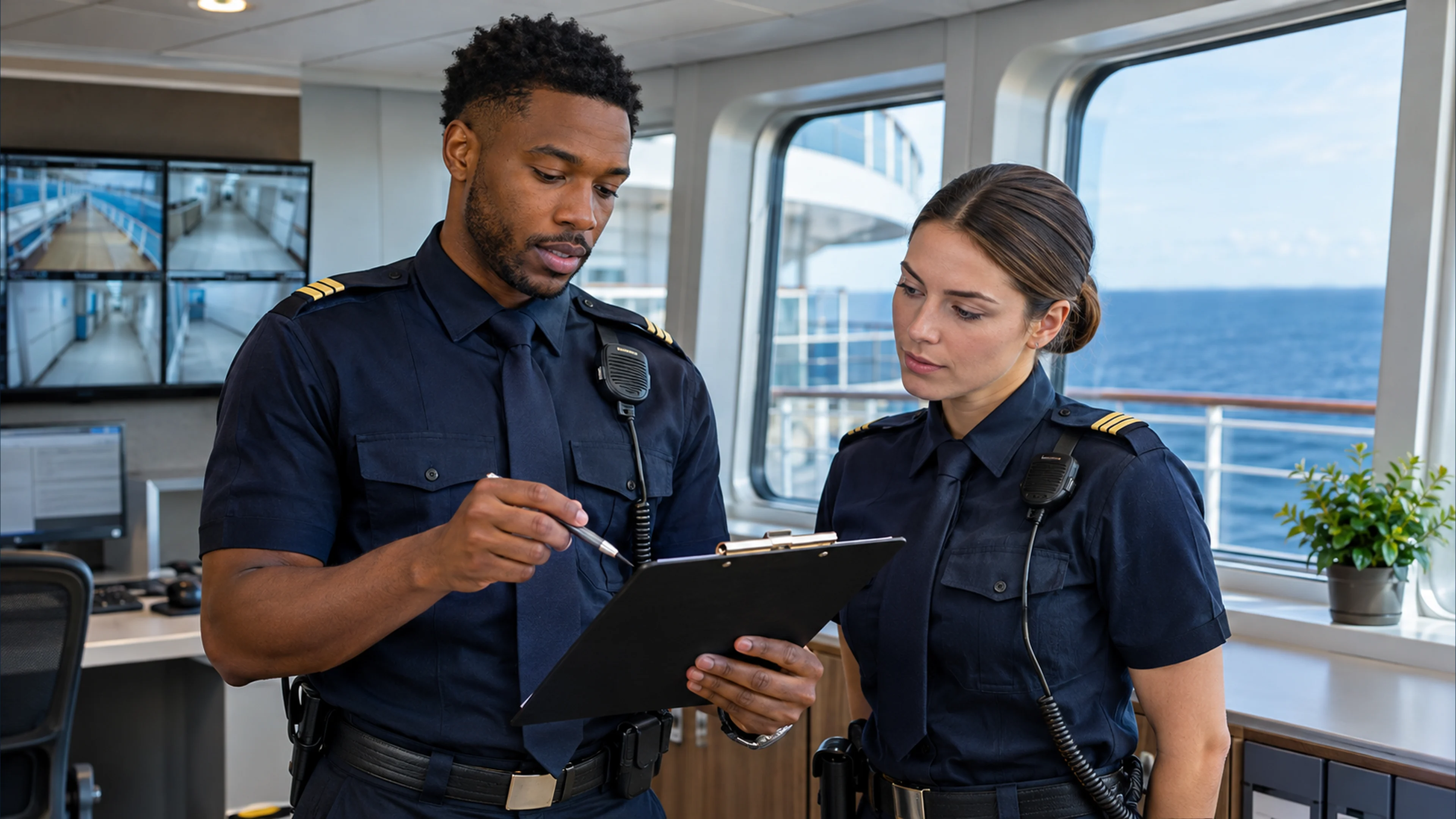
VIRSEC · UK MCA Approved
For crew assigned security-related functions under the ship security plan.
Book now
VIRSEC · US Coast Guard Approved
Passenger-ship crowd-management training for relevant assigned duties.
Book now
VIRSEC · UK MCA Approved
Advanced ship-security course for crew preparing for the Ship Security Officer role.
Book now
VIRSEC · ABS Approved
Online English proficiency testing for cruise-ship staff and personnel.
Book nowYou will continue to the provider’s course page to review details and complete the booking.
Explore the options
These categories are a starting point for research, not a universal checklist. Follow the instructions attached to your own vacancy and confirm course details before you enrol. Before paying, match the exact course title and competence in the vacancy to the provider’s approval, syllabus, practical assessment and certificate. Confirm recognition with the employer or maritime administration, and ask about prerequisites, expiry or refresher rules and the full cost.
Depending on assigned duties, seafarers may need training in areas such as personal survival, fire prevention, first aid or safety responsibilities. Course combinations and accepted certificates depend on the role and applicable rules.
Read the Basic Safety Training guide →Security awareness, designated security duties, crowd management and passenger-safety training apply to particular functions. Confirm the course title and duty-specific requirement before choosing a program.
Explore security awareness training →Deck, engine, medical and other specialist positions can have separate qualification, licence or certificate requirements. Check the job description and the authority or professional body responsible for the credential.
Compare cruise ship departments →The course catalogue includes online learning options such as maritime security subjects, passenger-vessel crowd management and maritime English testing. Read the individual listing and verify acceptance for your intended role.
View the online course catalogue →A course page can explain what a program covers, but your recruiter or employer should confirm whether it is required and accepted for your assignment. Training completion alone does not promise a job or ship placement.
Make an informed choice
Course names can sound similar while the learning outcomes, certificate type, delivery format and approval differ. Ask for the exact course name and confirm that the course provider and location are authorised for that specific training.
For South African applicants, SAMSA publishes seafarer service information and accredited course/provider material. Use the current authority guidance and check approval dates directly; an older list or a provider’s general accreditation statement may not confirm the status of every course today.
Keep the recruiter’s written instructions, course confirmation, payment receipt and certificate details together. This makes it easier to resolve questions before a joining deadline.

Your practical checklist
Take a few minutes to verify the requirement before committing money or time. If you are already in recruitment, share the course details with your recruiter and get a clear answer. Ask for the syllabus, entry requirements, assessment method, schedule and certificate details before enrolling. Training may improve readiness, but it does not guarantee recruitment or replace the experience and documents stated in a live vacancy.
Identify the role, department, ship assignment and duties described in the vacancy or offer. Ask the employer for the exact course title or code, certificate level, validity period and completion deadline. Verify the provider’s current approval with the responsible authority, and keep the full certificate and receipt.
Ask which training or certificate applies, when it must be completed and which issuing body is recognised. Ask the employer for the exact course title or code, certificate level, validity period and completion deadline. Verify the provider’s current approval with the responsible authority, and keep the full certificate and receipt.
Check the authority’s current approval for the exact course, location, delivery method and planned date. Ask the employer for the exact course title or code, certificate level, validity period and completion deadline. Verify the provider’s current approval with the responsible authority, and keep the full certificate and receipt.
Save receipts and certificates securely, and check your name, course title, issue date and certificate number. Ask the employer for the exact course title or code, certificate level, validity period and completion deadline. Verify the provider’s current approval with the responsible authority, and keep the full certificate and receipt.
Career programs
A training course, internship, cultural exchange program and cruise ship vacancy are different opportunities. Read each program’s own eligibility, duties, costs, location and application terms before you decide. Ask for the syllabus, entry requirements, assessment method, schedule and certificate details before enrolling. Training may improve readiness, but it does not guarantee recruitment or replace the experience and documents stated in a live vacancy.
Browse current online course listings, then confirm course-specific approval and employer acceptance before enrolling.
Browse online courses →The internship page describes practical experience in areas such as social media, personal assistance and talent scouting. It is separate from shipboard employment and maritime certification.
Read about the internship programme →Compare departments and current vacancies first. This helps you focus on the training and qualifications that actually fit your career direction.
Explore cruise ship positions →Make the course fit the job
A course listing can help you research the subject, but the role and assignment determine whether a specific certificate is required or accepted. Ask for the syllabus, entry requirements, assessment method, schedule and certificate details before enrolling. Training may improve readiness, but it does not guarantee recruitment or replace the experience and documents stated in a live vacancy.
Check the exact course title, topics, assessment method, delivery location and whether practical attendance is required. Similar names can refer to different courses or certificate levels.
If a course is online, ask whether the employer accepts that format for the required certificate. Confirm how identity, assessment and certificate issue are handled before you pay.
Ask for the full fee, any assessment or resit charges, course dates, cancellation terms and expected certificate issue time. Check whether the schedule fits your interview, medical, visa or joining timeline.
Do not assume a discount or a course-completion date guarantees acceptance or a job. Keep the written quotation and enrolment terms so you can compare them with the instructions from your recruiter.
When a course is finished, check that your name and course title are correct and that any certificate number, issuer and validity details are readable. Store the original and a secure digital copy.
Send the certificate only through the verified channel requested by the employer. If the certificate is delayed or contains an error, contact the course provider promptly and tell your recruiter if it may affect a deadline.

Practical preparation
Compare course content, practical assessment, recognition and total costs before enrolling. Ask the employer which qualifications are needed for the vacancy, and keep course certificates and provider details together for future verification. If you are considering credit for a confirmed training expense, review the Maritime Finance guide before making a commitment.
Continue with related guidance →Clear answers
Use current employer instructions and maritime-authority guidance for decisions about your own application.
Training depends on the job, assigned duties, employer, ship and applicable maritime rules. Do not assume every course is required for every cruise position. Confirm the exact course and certificate with your recruiter or employer before booking.
First check the vacancy and ask the recruiter which training is required, when it is needed and which certificates or providers are accepted. Avoid paying for a role-specific course based only on a general online checklist.
Check the relevant maritime authority’s current list and confirm that the exact course, delivery location and provider approval are valid on your planned course date. In South Africa, consult SAMSA Seafarer Services and verify directly with SAMSA if anything is unclear.
No single online course or delivery format is accepted for every job. Confirm the course’s stated approval, assessment requirements and certificate format with the employer or authority responsible for your assignment.
No. An internship or trainee program is a separate career experience and does not automatically replace maritime safety training, professional qualifications or a cruise ship employment offer.
No. Training can meet a specific requirement or strengthen relevant skills, but hiring also depends on vacancies, qualifications, experience, interviews, medical fitness, documents and employer selection.
Reviewed 25 October 2026. International Maritime Organization: STCW Convention overview · SAMSA: Seafarer Services · SAMSA: accredited programmes and courses list (dated 4 August 2025; verify current course approval) · Maritime Finance: online course catalogue · Crew Life at Sea: internship program. This page is general applicant guidance; the relevant employer and maritime authority determine which requirements apply to an individual assignment.
Course guides
Use these guides to understand common course topics and prepare questions. Requirements vary by role, employer, vessel and maritime authority.
Overview of basic safety subjects and how to verify the course your role requires.
Read the guide 02Survival-at-sea training, practical assessment and certificate checks.
Read the guide 03Shipboard safety culture, communication and personal responsibilities.
Read the guide 04First-response principles and how to confirm accepted training.
Read the guide 05Fire prevention, response training and certificate requirements.
Read the guide 06Security awareness and the distinction between PSA and assigned security duties.
Read the guide 07Passenger-ship crowd management and emergency assistance duties.
Read the guide 08Passenger-ship crisis response, human behaviour and role-specific requirements.
Read the guide 09Security functions under the ship security plan and PDSD requirements.
Read the guide 10Survival craft competencies, practical training and certificate checks.
Read the guide 11Designated passenger, cargo and hull-opening safety responsibilities.
Read the guide