Sea days are working days
When guests remain onboard, teams still serve meals, maintain cabins and public areas, run activities, keep equipment working and carry out operational routines. Crew schedules are set by the employer and ship.

Ocean ships · a crew member’s guide
Understand how an ocean vessel operates, where shipboard roles fit, and what to research before applying. Use this guide to prepare thoughtful questions and find the right next step for your cruise career.
Start with the vessel
An ocean cruise ship is both a passenger vessel and a workplace. Guests see restaurants, cabins, shows and public spaces; behind them, teams coordinate food preparation, cleaning, maintenance, navigation, safety and the daily movement of people and supplies.
There is no single layout or employment package shared by every cruise line. Vessel size, itinerary, brand, flag, department and job title all affect how work is organised. A useful first step is to read the vacancy carefully and learn how the named department contributes to the ship’s operation.
This page focuses on the shipboard environment so you can connect your experience to a real role. It is general career preparation: the employer’s current vacancy, contract and official instructions determine the requirements for your application.
Read the ship, not just the brochure
The route and vessel influence the pace of work, the mix of teams and the time between ports. These practical differences help applicants ask better questions before accepting an assignment. For each requirement, record the source, the date you checked it and any proof you need to provide. Confirm changes with the responsible employer or authority before paying, submitting originals or making travel plans; requirements can differ by role and case.
When guests remain onboard, teams still serve meals, maintain cabins and public areas, run activities, keep equipment working and carry out operational routines. Crew schedules are set by the employer and ship.
Restaurants, theatres, cabins and recreation areas depend on planning and work that guests may never see. Stores, laundry, galley, technical and safety teams keep daily services moving behind the scenes.
All departments operate within the ship’s safety procedures. Training, duties and emergency responsibilities vary by position, so candidates should follow the employer’s role-specific instructions rather than assume a certificate applies to everyone.

The work behind the guest experience
The visible guest experience is only one part of shipboard work. Food and beverage teams coordinate preparation and service; housekeeping teams care for cabins and shared areas; engineers and technicians maintain ship systems; and deck teams support navigation and safe operations.
Guest services, entertainment, medical, security, retail and spa roles add further specialisms. On a large vessel, teams can be extensive; on another ship, responsibilities may be organised differently. Use the job title and department named in the vacancy as your guide.
Find where your skills fit
Titles and department names differ between cruise lines. These descriptions are a starting point for understanding the kind of work involved, not a guarantee that every vessel offers every role. Record the tasks and responsibilities you can support with references, service records or certificates. Compare them with the vacancy’s must-haves, contract and joining requirements, and ask the recruiter about any gap rather than assuming it will be waived.
Front desk and guest relations teams answer questions, support onboard services and help resolve guest concerns. Clear communication, patience and sound judgement matter in busy situations.
Review job requirements →Dining room, bar and galley roles support preparation, service, hygiene and teamwork. Requirements vary between entry-level support, specialist cooking and supervisory positions.
Explore current positions →Cabin and public-area teams keep guest spaces clean, ready and supplied. The work calls for consistency, attention to detail and the ability to follow established standards.
Explore current positions →Performers, activity hosts and technical production staff help deliver shows and onboard programming. Audition, language, technical and experience criteria depend on the opening.
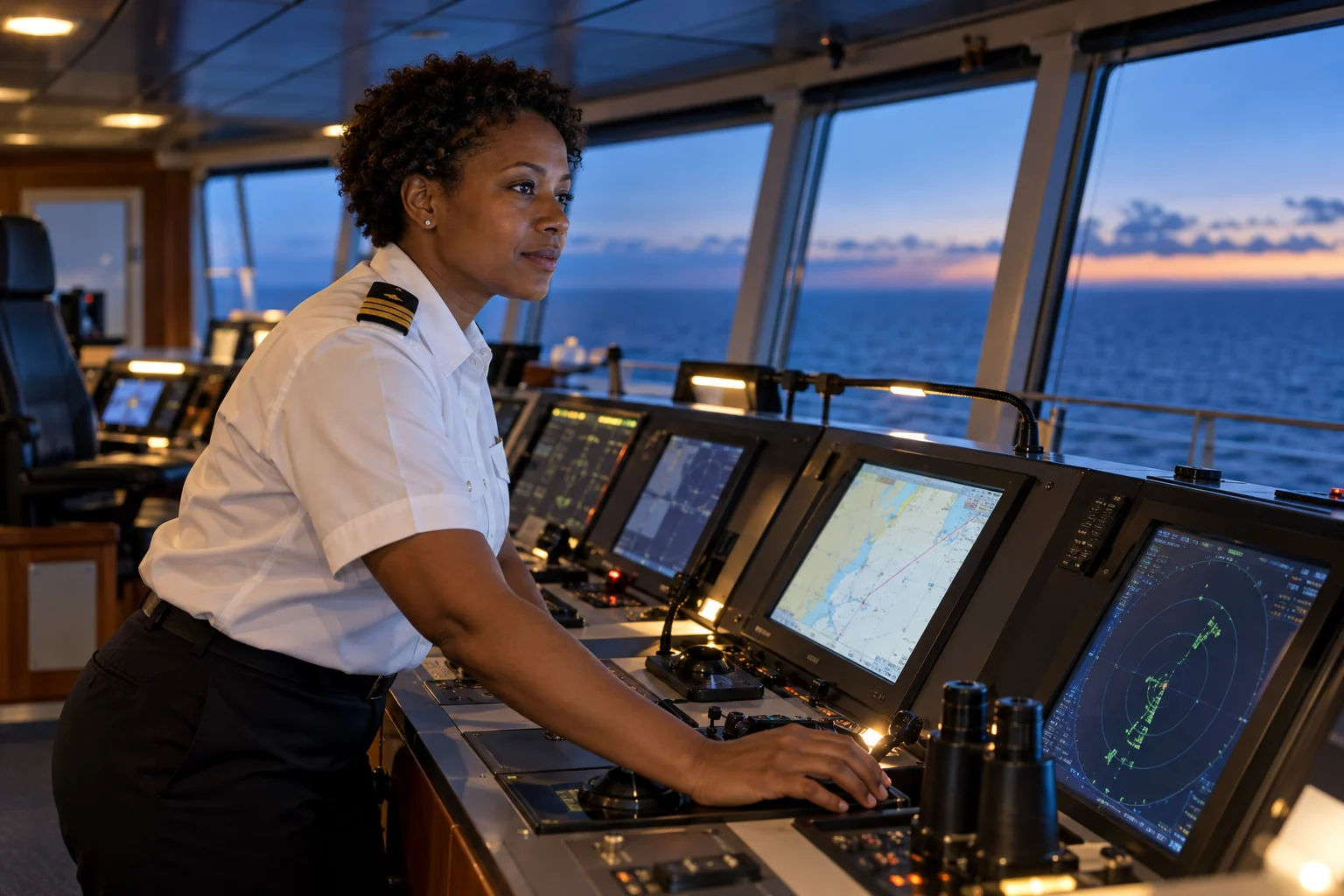
Explore current positions →Deck teams support navigation, watchkeeping, mooring and vessel operations. These regulated roles can require maritime certificates, sea service and endorsements specified by the employer and flag state.
Read seafarer document guidance →Engine-room and technical specialists help operate and maintain machinery, electrical systems, refrigeration, plumbing and other onboard equipment. Relevant trade or marine qualifications may be required.
Explore current positions →Medical personnel and security teams have specialised responsibilities and entry requirements. Candidates should confirm accepted qualifications, experience and checks for the specific vacancy.
Review medical guidance →Some vessels offer shops, spa services, photography, youth programmes, casino operations or other guest services. Availability and hiring arrangements vary by ship and cruise line.
Explore current positions →Marine operations in context
Ocean vessels follow operating and safety procedures that affect everyone onboard. Your department may have its own training and routines, while emergency instructions and ship rules apply across the crew community.
Do not assume that a certificate, medical examination or seafarer document accepted by one cruise line will automatically satisfy another. Confirm the issuing body, validity period, document format and submission process with the named employer or authorised recruiter.
For sea-going roles, ask which certificates are mandatory before you pay for a course. For hotel and guest-service roles, ask which safety courses the company arranges after selection and which must be completed in advance.
Before you send an application
A little checking prevents avoidable delays and helps you spot requests that do not match the official vacancy. Keep copies secure and provide personal documents only through verified channels. Check that your name, passport number, dates and employer details match across the application and supporting records. Keep a readable copy of each item submitted, note the reference number and delivery method, and ask the issuing authority how to correct any mismatch before it delays processing.
Record the cruise line, job title, department, location and application channel. Use the cruise line’s own careers page or an authorised hiring partner to verify that the opening is genuine.
Prepare a focused CV that shows relevant service, trade, marine or professional experience. List certificates accurately and do not claim a qualification you have not earned.
Depending on the position and itinerary, the process may involve a passport, medical clearance, police clearance, safety training, visas or a seafarer’s book. Confirm what applies to you.
Ask who arranges each examination, course, visa and travel booking, when it is needed, and whether any cost is yours. Get the explanation and payment instructions in writing from a verified source.
Life between ports
Life onboard can be rewarding, but it is still a working environment with schedules, rules and shared spaces. Ask the employer how the conditions for your role are organised. Airline rules and shipboard joining instructions are separate. Check baggage, medication and battery restrictions with the carrier, then confirm the ship’s uniform, luggage and transfer requirements with the employer. Save your itinerary and a verified contact number offline.
Guest-facing operations continue while the vessel travels between ports. Teams may follow shifts, split duties or other schedules set by the department. Rest periods, training and emergency routines are managed according to the employer’s policies and applicable requirements.
Some crew members support arrival, departure, supplies or guest operations. Others may have time ashore if their duties, rest schedule, port rules and company procedures allow it. A port call does not guarantee that you can leave the ship.
Accommodation and crew facilities vary by vessel, employer, position and contract. Ask what is provided, whether cabins are shared, which facilities are available and what rules apply during your assignment.
Contract length, leave, travel arrangements and rotation differ by company and position. Read the written offer and contract carefully, including pay, deductions, joining instructions, repatriation and who to contact if something changes.

Practical preparation
Ocean vessels rely on technical teams as well as hospitality, deck and guest-service departments. Compare each role’s duties, qualifications, watch schedule and safety responsibilities with your skills, then ask the employer how the department is organised on the vessel you are considering.
Continue with related guidance →Common questions
Use the employer’s current vacancy and written instructions for decisions about your own qualifications, documents and assignment.
It is a passenger vessel that sails on seas and oceans, carrying guests between ports. Its onboard operation brings marine, technical, hospitality and safety teams together. Size, itinerary and facilities vary from one ship to another.
Common areas include hotel and guest services, food and beverage, housekeeping, entertainment, deck, engineering, medical, security, retail and spa. A specific ship may organise work differently or offer only some of these roles.
That depends on the vacancy. Some employers consider relevant hotel, restaurant, retail, trade or customer-service experience; regulated marine and technical positions may require specific qualifications or sea service. Follow the opening’s exact criteria.
Requirements depend on your nationality, role, employer, vessel and itinerary. A passport is commonly needed; some assignments also require medical clearance, background checks, training, visas or a seafarer’s book. Use the employer’s current checklist.
Recruitment is usually for a position and employer, and the company determines assignment based on operational needs and its hiring process. Ask when ship assignment is confirmed and whether changes can occur before joining.
No. Work duties, rest periods, port rules and ship policies affect whether crew can go ashore. Plan around the confirmed schedule and do not treat a port call as guaranteed personal time.
Verify the vacancy and recruiter through the cruise line’s official careers information. Be cautious of guaranteed placement or pressure to pay an unfamiliar person. Ask for written details of any authorised fees and never send sensitive documents through a channel you cannot verify.
These sources show examples of current shipboard roles and passenger-ship safety information. Each cruise line sets its own vacancies and hiring instructions; check the employer named in your application.
Keep preparing
Use the related guides to organise common application questions. Your employer’s current checklist remains the source for requirements that apply to your specific position. Match each essential vacancy criterion to dated evidence: a specific duty, your own contribution, a result and a referee or certificate that can support it. Keep job titles and dates consistent across your CV and forms, submit through the verified channel and save the version you sent.