
01 · DECK RATINGDeck ratings
Support safe deck operations, upkeep, lookout and assigned watch duties within training and employer procedures.
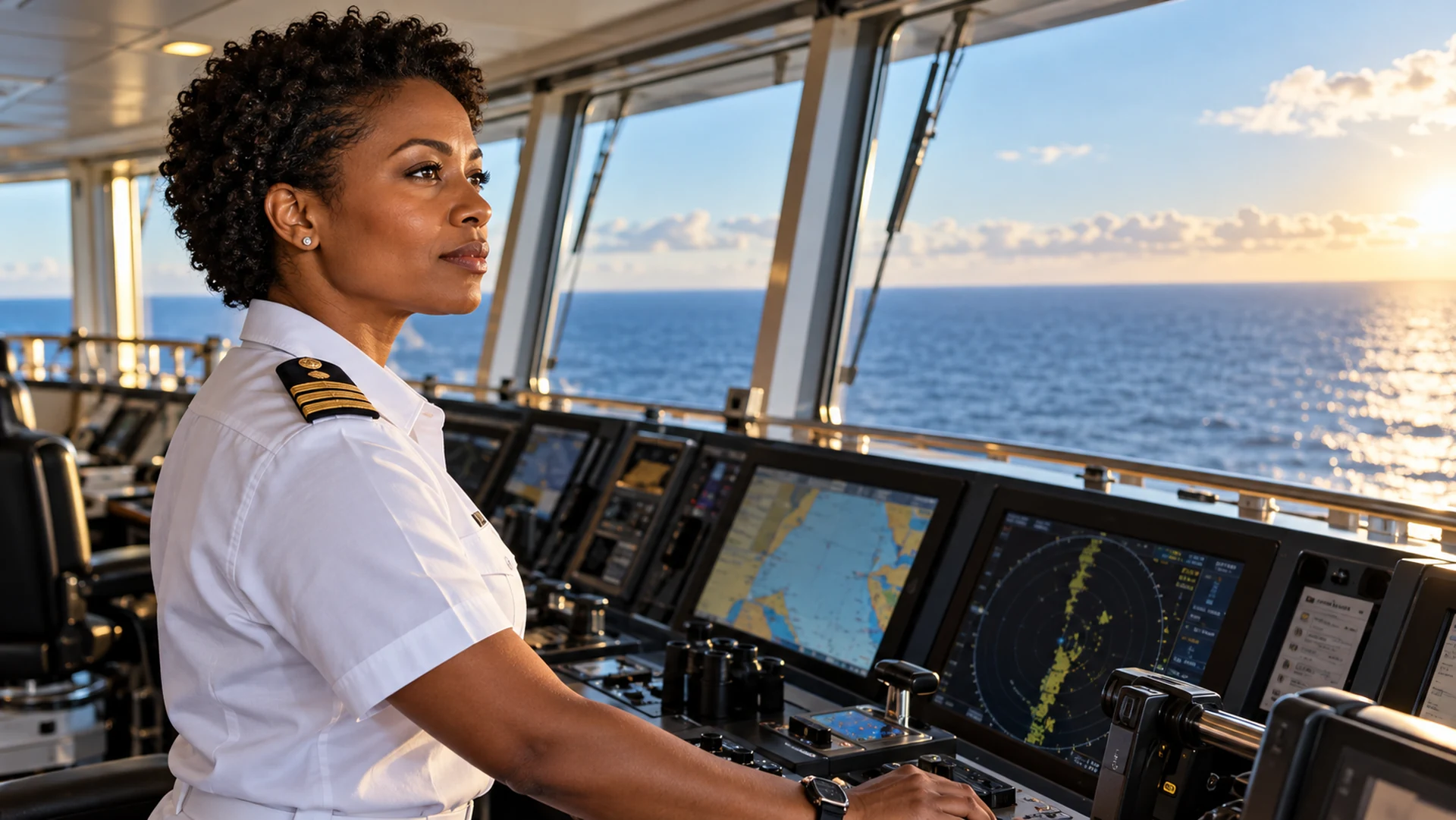
Explore the people and qualifications behind a ship’s bridge watches, deck operations and safe movement at sea. Deck rating roles and licensed navigation officer roles are different routes, and each employer and maritime administration sets its own requirements.
Choose the route that fits
Some deck team members focus on practical deck work and watch support. Navigation officers hold the certificates required for the duties and level of responsibility they perform. Read the vacancy carefully and confirm eligibility with the relevant maritime authority before paying for training.
Support safe deck operations, upkeep, lookout and assigned watch duties within training and employer procedures.

Licensed operational-level navigation officers stand bridge watches within the limits of their certificate and vessel assignment.
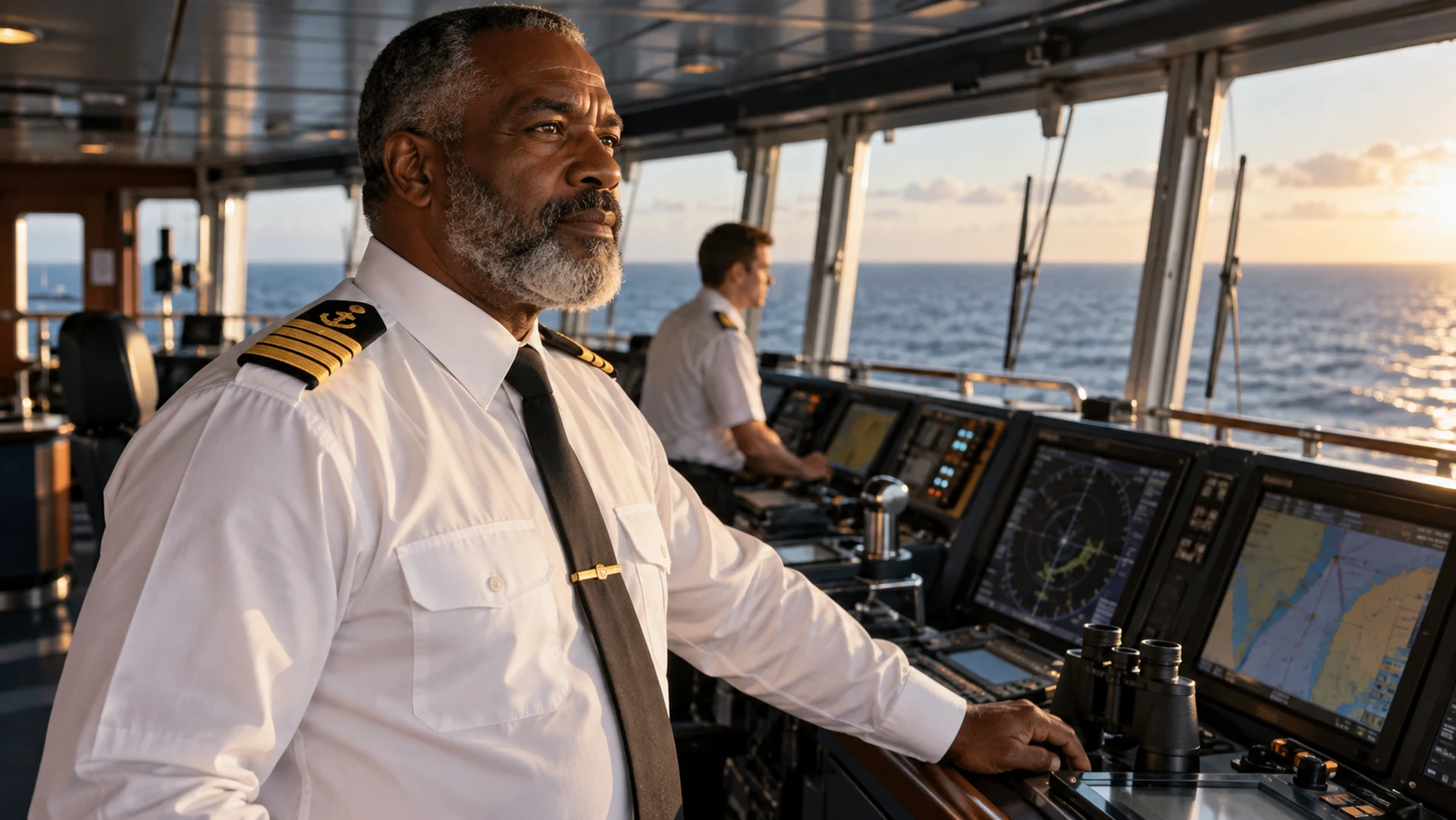
Chief mate and master roles require further qualifications, service and responsibilities at management level.
Rating pathway
Depending on the vessel and rank, deck ratings may assist with lookout duties, mooring operations, routine maintenance, stores, cleaning, safety rounds and port preparation. Duties are assigned by the ship’s officers and carried out under onboard procedures.
Some watchkeeping or able-seafarer tasks require specific competence certificates and documented sea service. A general deck job title does not prove that a person is qualified for every watchkeeping duty.
Navigation officer pathway
Officer routes commonly involve approved maritime education and training, assessed competence, required sea service, safety courses, a valid medical fitness certificate and examinations or oral assessments set by the issuing administration.
The first officer-level certificate is often for an Officer of the Watch at operational level. Further qualifying service and management-level training may lead to eligibility for chief mate or master certification, subject to the applicable rules and vessel limits.
Work on deck and on the bridge
The exact division of work depends on the vessel, company procedures, rank, certificates and voyage. These examples describe common areas of work, not a promise that every cruise ship uses the same job title or assigns identical tasks. Use the official contact details to confirm current services, eligibility and application routes. Keep the reply and any instructions with your records, and verify unusual requests for money, travel or identity documents through a second official channel before acting.

Bridge officers plan and monitor navigation, maintain watch records and communicate with the bridge team. They follow the master’s standing orders, operating procedures, passage plan and applicable regulations.
Deck ratings can support bridge and deck operations within their role and competence. They may help with lookout, mooring, stores, exterior maintenance, equipment checks or preparation for port calls. They must follow instructions and report hazards or changes promptly.
On passenger vessels, crew may also take part in emergency duties and passenger safety routines. Assigned emergency responsibilities require the relevant familiarisation, drills and training for the ship.
Plan qualifications before enrolling
STCW sets international minimum requirements, which administrations implement through national regulations and certification processes. The certificate name, route and evidence required can differ by country, vessel tonnage, trading area and role. Check the course against the requirement for your role, not just a similar-sounding certificate. Ask the provider who approves it, what is assessed, where practical training takes place, how long the certificate remains valid and whether your employer accepts that provider.
Decide whether you are pursuing a deck rating certificate, watch rating, able-seafarer qualification or a navigation officer Certificate of Competency.
Ask the maritime authority or an approved provider which education, training, medical and assessment requirements apply in your country.
Maintain accurate sea-service records, testimonials, discharge-book entries and course documents. Confirm how each item must be signed and verified.
Check certificate validity, flag recognition, rank, vessel limits and joining documents against the employer’s written vacancy requirements.
Show your exact sea-service history, vessel types, watch duties, safety responsibilities and certificates. State the issuing authority and validity dates. Describe your contribution with concrete examples, such as careful log entries, following a mooring plan, reporting a defect or communicating clearly during a drill.
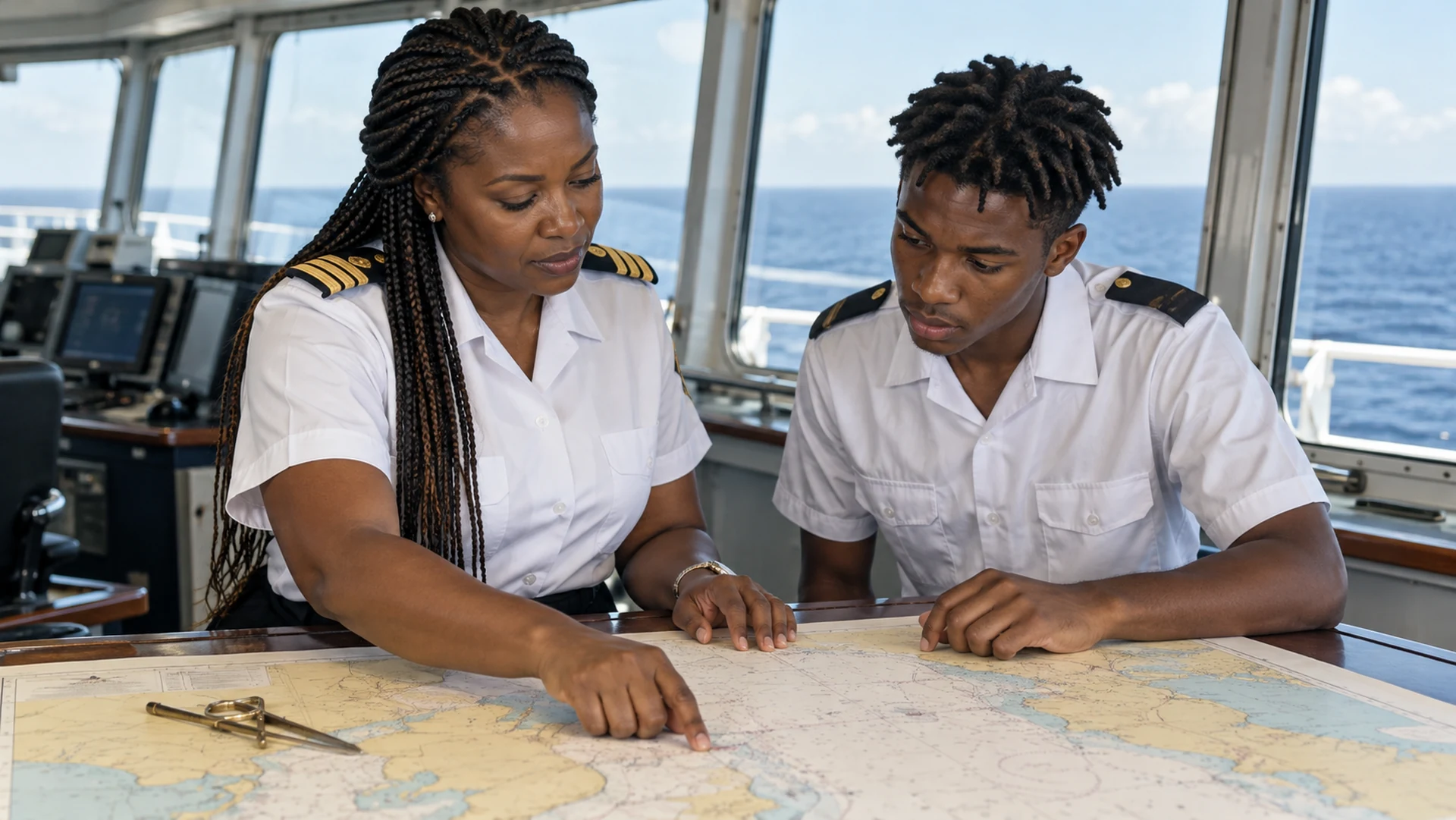
Quick route comparison
Use this overview to frame questions for an authority, maritime college or employer. It is not a substitute for the current national certification rules. Check the course against the requirement for your role, not just a similar-sounding certificate. Ask the provider who approves it, what is assessed, where practical training takes place, how long the certificate remains valid and whether your employer accepts that provider.
| Route | Typical focus | What to verify |
|---|---|---|
| Deck rating | Deck upkeep, seamanship support and assigned operational duties. | Minimum entry conditions, basic safety training, medical fitness, employer requirements and any task-specific certification. |
| Watch rating | Lookout or watch support when trained, assessed and authorised for the duty. | Applicable watch-rating certificate, documented service, assessment and national application process. |
| Deck officer | Navigation and bridge watchkeeping within the officer’s certificate limits. | Approved education, sea service, competency assessments, medical fitness and flag-state recognition. |
| Chief mate or master | Senior navigation and ship-management responsibility. | Management-level certification, qualifying service, exams and the vessel or trading limits attached to the certificate. |
Official references: IMO: STCW Convention · UK MCA: Merchant Shipping Notices · UK MCA: Watch-rating and able-seafarer guidance. Check your own administration’s current instructions; UK guidance applies to the UK certification system.
Frequently asked questions
Requirements change with the certificate sought and the authority that issues it. Confirm details before making training or travel decisions. Ask for the syllabus, entry requirements, assessment method, schedule and certificate details before enrolling. Training may improve readiness, but it does not guarantee recruitment or replace the experience and documents stated in a live vacancy.
Depending on the ship and vacancy, the department may include deck ratings, watch ratings, cadets and licensed navigation officers. Job titles and duties vary between operators and vessels.
No automatic progression is guaranteed. A deck rating role and a navigation officer certificate are distinct routes. Becoming eligible for senior officer certification requires the relevant approved training, sea service, assessment and certificates.
Not for every deck role. Requirements depend on the duties. Officers performing navigation and bridge watchkeeping require the appropriate certificate; some rating tasks also have specific certification rules.
STCW Chapter II addresses the master and deck department. National administrations implement the convention and set the process and evidence needed for particular certificates.
No. STCW provides international minimum standards, while each administration implements them. Training, examinations, sea-service documentation and application steps can differ.
Possibly, but recognition and endorsement depend on the flag state, the certificate, the issuing administration and the shipboard duties. Ask the employer or flag administration before joining.
Give accurate dates, vessel type, rank, duties and watch responsibilities, and list certificates with their issuing authority and validity. Keep supporting evidence consistent with the details on your CV.
No. A course may support a qualification route, but employment depends on vacancy criteria, certificate recognition, experience, medical fitness, recruitment and employer selection.
Keep building your application
Use the guides below to check vacancies, prepare your documents and compare other shipboard departments. Internal links stay within this private preview. Check the course against the requirement for your role, not just a similar-sounding certificate. Ask the provider who approves it, what is assessed, where practical training takes place, how long the certificate remains valid and whether your employer accepts that provider.