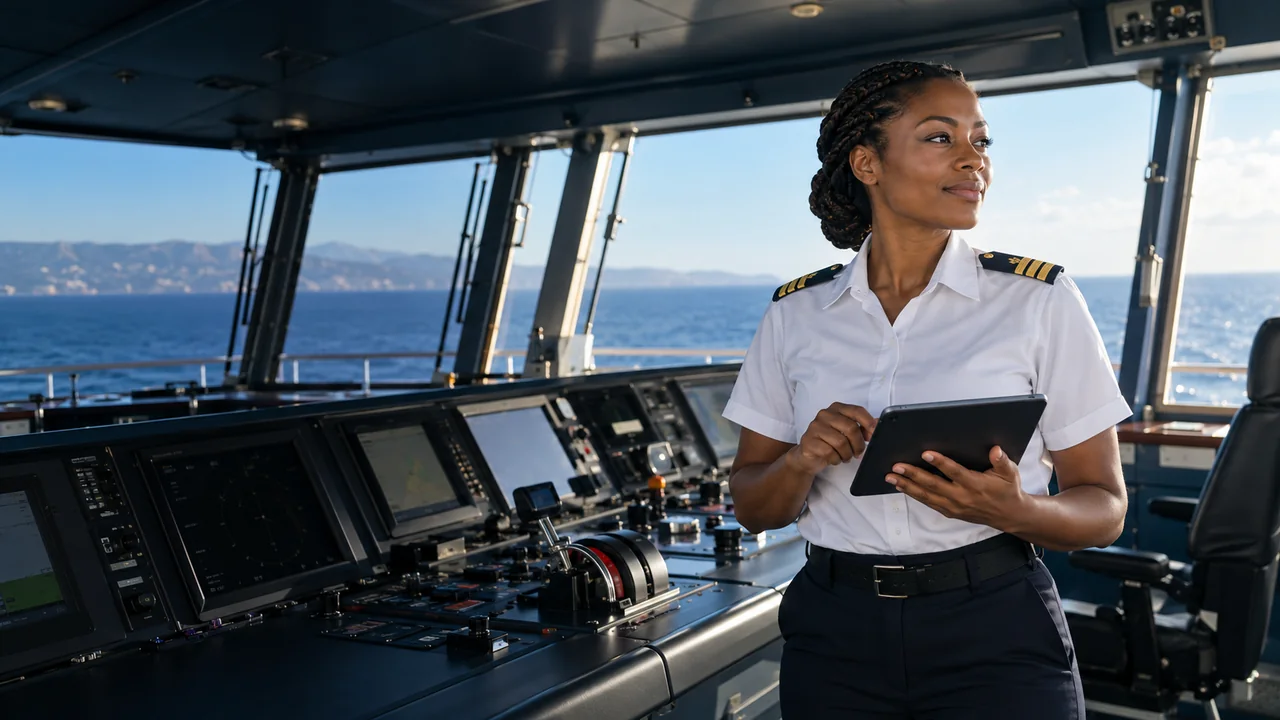

Black woman navigation officer reviewing a tablet on the bridge of a cruise ship
Crew Life at Sea
Menu

Cruise ship departments · Deck and engine

Deck and engine jobs keep ships moving.

Compare the work behind safe deck operations, bridge navigation and marine engineering. Learn how the departments differ, what to verify in a vacancy and how to present your experience clearly.

Deck operations · bridge watch · marine engineering

A practical shipboard guide

Two departments. Distinct responsibilities.

Deck and engine teams work together to support a vessel’s safe operation, but their everyday duties and qualification routes are different. Deck roles can cover seamanship, maintenance, mooring and, for appropriately certified officers, bridge watchkeeping and navigation. Engine roles focus on propulsion, power, machinery, electrical systems and maintenance.

Job titles and department structures vary by cruise line, vessel and flag. A vacancy may be a shipboard seafarer role, a specialist technical post or an employer-specific position. Check the duties, required certificates, sea-service evidence and employing company in the current advert before spending money on a course or application.

Match your application to the actual job duties and your verified experience. A general safety course does not replace a role-specific certificate.
DeckSeamanship, vessel upkeep and operational support.
BridgeWatchkeeping and navigation within certificate limits.
EngineMachinery, propulsion, electrical and technical systems.

Choose the right department

What the work can involve

These are role families, not a promise that every ship advertises each position. The employer’s job description sets the duties, reporting line and required qualification for that opening. Compare the listed duties, experience level, language needs, schedule and required certificates with work you have actually done. Note evidence for each essential criterion and ask whether equivalent experience is accepted before spending money on training or travel.

Black deck crew member checking mooring equipment and a work list on an open ship deck
Deck crew member checks an open-deck work list.

Deck operations

Deck ratings and maintenance

Deck ratings assist with assigned seamanship, upkeep and operational tasks. Depending on the position and ship, work may include inspections, cleaning and maintenance, safe handling of lines or equipment, and following instructions during port calls and drills.

  • Show practical deck, maintenance or vessel experience.
  • Describe safety procedures and equipment you have used.
  • Do not claim bridge or navigation duties you were not authorised to perform.
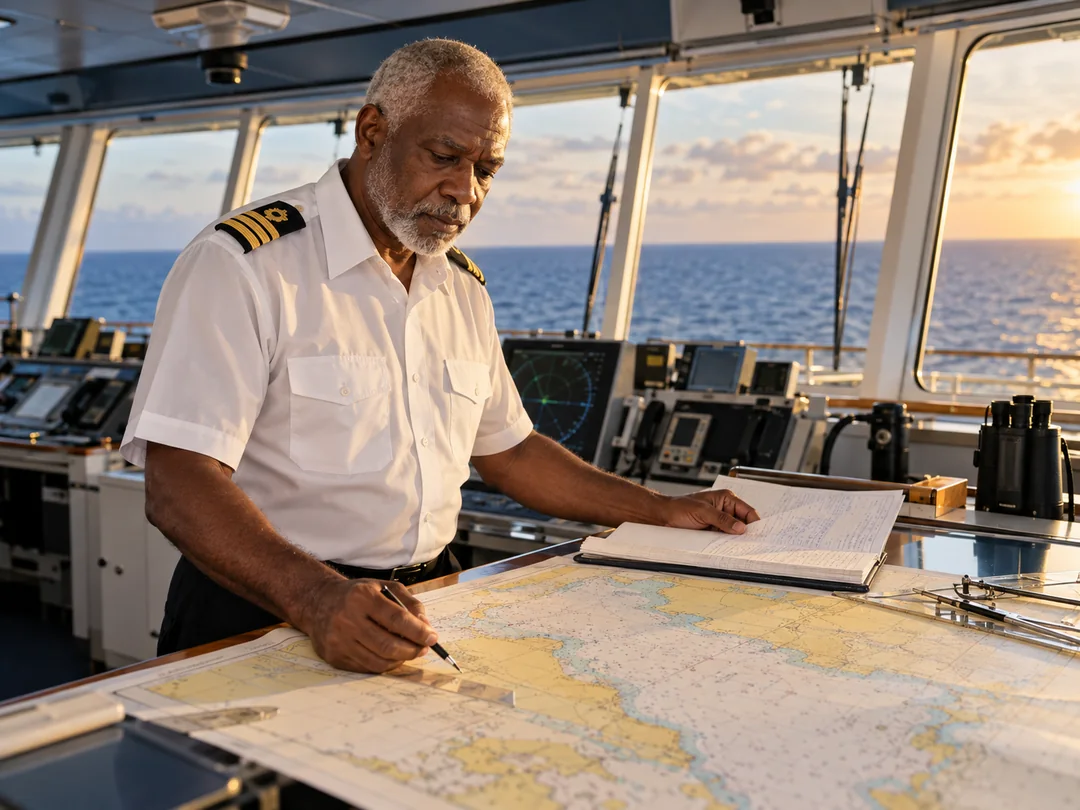
Experienced Black navigation officer checking a chart and watch notes on a ship bridge
Navigation officer reviews a route and watch notes.

Bridge and navigation

Watch ratings, cadets and officers

Bridge responsibilities depend on role and certification. Watch ratings may support lookout and bridge routines within their assigned duties; officers carry navigation and watchkeeping responsibilities within the limits of their certificates and the vessel’s procedures.

  • Keep certificates, endorsements and sea-service records current.
  • Explain watchkeeping, navigation or bridge duties accurately.
  • Confirm the flag administration’s recognition requirements.
Black marine engineering technician inspecting shipboard machinery with a tablet
Marine engineer records an inspection in the machinery space.

Engine and technical

Engine ratings and engineers

Engine teams support machinery operation, planned maintenance and technical systems. Duties may involve rounds, checks, cleaning and upkeep, machinery assistance or officer-level engineering work. Electro-technical roles focus on electrical, electronic, automation and control systems.

  • Name machinery, systems and maintenance tasks you know.
  • Separate practical trade work from officer certification routes.
  • Show safe work, fault reporting and accurate handovers.

Compare before applying

Deck or engine: where does your evidence fit?

Use the vacancy to identify the department and level. Similar titles can mean different duties on different vessels, so compare responsibilities rather than relying on job-title assumptions. Record the tasks and responsibilities you can support with references, service records or certificates. Compare them with the vacancy’s must-haves, contract and joining requirements, and ask the recruiter about any gap rather than assuming it will be waived.

CheckDeck and bridgeEngine and technical
Typical focusSeamanship, deck upkeep, mooring and vessel operations; bridge and navigation duties for appropriately qualified personnel.Propulsion, machinery, power generation, maintenance, electrical systems and technical operations.
Useful application evidenceVessel or port work, maintenance tasks, equipment handling, lookout or bridge routines when authorised, safety drills and clear handovers.Mechanical or electrical systems, inspections, planned maintenance, fault reporting, safe isolation where trained, logs and handovers.
Qualification checkConfirm the exact rating or officer certificate, sea service, training record, medical and any endorsement needed for the duties.Confirm the engineering or electro-technical route, relevant certificate and sea-service requirements for the duties and flag.
ProgressionRating and officer routes are distinct. Advancement depends on approved training, service, assessment, certification and openings.Rating, engineering officer and electro-technical routes have distinct requirements; progression is not automatic or guaranteed.

A deck rating role is not an automatic officer cadet route, and completing STCW Basic Safety Training alone does not qualify someone as a deck officer or marine engineer.

Certificates and sea service

Verify the route before booking training

The IMO STCW framework sets international minimum standards. National maritime administrations implement certification routes and publish the documents, assessments and sea-service evidence they require. Before paying, match the exact course title and competence in the vacancy to the provider’s approval, syllabus, practical assessment and certificate. Confirm recognition with the employer or maritime administration, and ask about prerequisites, expiry or refresher rules and the full cost.

01

Start with the exact job

Copy the advertised title and duties. Ask whether the vacancy is for a deck rating, watch rating, deck officer, engine rating, engineering officer or electro-technical role.

02

Check the issuing authority

Identify which administration issues or recognises the certificate for the vessel. Confirm whether an endorsement, revalidation or flag-state recognition is needed.

03

Confirm accepted training

Ask the authority or authorised employer which approved provider, course, medical and supporting documents apply. Do not pay for a course based on an informal promise of a job.

Build a verifiable application

Show what you can do, with evidence.

Use your CV to connect experience to the vacancy. State the vessel type or worksite, dates, job title, machinery or deck tasks, your level of responsibility and any safety duties. List each relevant certificate with its issuing authority and validity.

If you are new to cruise ships, explain transferable work honestly. Commercial shipping, ferries, ports, shipyards, industrial maintenance or electrical work may be relevant to some openings, but they do not replace mandatory certificates or sea service.

Use the cruise CV guide ↗

A practical application check

Prepare before you submit

Complete these checks against the live vacancy. Requirements can change by employer, ship, flag and joining itinerary; keep copies of the instructions you receive. Plan for delays: know who to call if a flight, transfer or checked bag is disrupted, and keep receipts for any approved costs. Do not make an alternative journey or incur expenses on the assumption that the employer will reimburse them.

01
Match the duties

Make sure your experience fits the role’s department, level, vessel type and responsibilities. Describe the work setting, your shift or station, the equipment or system used, the service or safety standard followed and your own contribution. Give one specific example and separate your actions from the team’s result.

02
Check certificates

Confirm the certificate, issuer, recognition and validity requirements with the relevant authority. Compare the actual vacancy’s duties, reporting line, shift pattern and essential criteria with your experience. Ask the recruiter about certificates, language expectations and contract terms that are not stated clearly.

03
Organise your records

Keep CV dates, sea-service documents, certificates, medical records and identity details consistent. Describe the work setting, your shift or station, the equipment or system used, the service or safety standard followed and your own contribution. Give one specific example and separate your actions from the team’s result.

04
Clarify joining steps

Ask which medical, visa, training and travel steps apply to your specific role and itinerary. Compare the actual vacancy’s duties, reporting line, shift pattern and essential criteria with your experience. Ask the recruiter about certificates, language expectations and contract terms that are not stated clearly.

05
Use the authorised channel

Apply through the employer or named recruitment partner. Verify any request for payment directly. Describe the work setting, your shift or station, the equipment or system used, the service or safety standard followed and your own contribution. Give one specific example and separate your actions from the team’s result.

06
Read the written offer

Check employer, position, contract period, pay, deductions, travel and repatriation terms in writing. Get the amount, currency, pay date, deductions, overtime or commission rules, leave and travel costs in writing. Compare the final agreement with the offer and ask the employer or provider to clarify any difference before signing.

Crew Life at Sea states that applicants do not pay recruitment fees. Be cautious of anyone claiming to guarantee a shipboard job or certificate in exchange for money.

Clear answers before you apply

Deck and engine job questions

Use these answers as a starting point, then confirm the live vacancy and current instructions from the employer and relevant maritime authority. Compare the listed duties, experience level, language needs, schedule and required certificates with work you have actually done. Note evidence for each essential criterion and ask whether equivalent experience is accepted before spending money on training or travel.

What jobs are in the deck and engine departments?

Deck vacancies may include ratings, watch ratings, cadets and licensed navigation officers. Engine vacancies may include engine ratings, engineering officers and electro-technical officers. The ship and employer determine which posts are available.

Do deck and engine crew need the same certificates?

No. Required certificates depend on the duties, role level, certificate sought, flag and issuing administration. Check the exact vacancy and official authority guidance before enrolling in training.

Can I apply without cruise ship experience?

Some vacancies may consider relevant commercial vessel, ferry, yacht, port, shipyard or technical experience. Selection is employer-specific, and transferable experience does not replace required maritime certification or sea service.

Does Basic Safety Training qualify me for an officer job?

No. Basic Safety Training covers specified safety competencies. Officer routes require separate approved training, sea service, assessments and certificates determined by the relevant administration.

Can a deck rating automatically become an officer?

No. Ratings and licensed navigation officers follow distinct qualification routes. An applicant seeking officer certification must satisfy the authority’s approved education, training, service and assessment requirements.

What should I list on my CV?

Include accurate dates, vessel or worksite, title, duties, machinery or equipment, responsibility level, safety tasks and current certificates with issuing authority and validity. Keep the details consistent with your supporting records.

Where can I verify STCW requirements?

Start with the maritime administration responsible for your certificate and the employer’s current instructions. The IMO explains the international STCW framework; national administrations publish their own application routes.

Does a course guarantee a cruise ship job?

No course guarantees employment. A course may form part of a qualification route, but hiring also depends on vacancy requirements, certification, experience, medical fitness and the employer’s selection process.

Official references: IMO STCW Convention · SAMSA Seafarer Services · SAMSA maritime opportunities · UK MCA deck officers and ratings · UK MCA deck and engineer officer CoC applications. UK guidance describes the UK certification system; check your own administration for its rules.

Practical evidence for your application

Show how you work safely

Deck and engine vacancies are assessed against the actual duties. These examples help you describe relevant work clearly, while keeping your CV accurate and within your training and authority. Before paying, match the exact course title and competence in the vacancy to the provider’s approval, syllabus, practical assessment and certificate. Confirm recognition with the employer or maritime administration, and ask about prerequisites, expiry or refresher rules and the full cost.

Black deck crew member inspecting cruise ship equipment and recording a safety check
Deck inspection and clear work records support safe handovers.

Deck operations

Record the work you actually performed

For each relevant task, note the vessel or worksite, equipment, your responsibility and the result. Depending on the position, examples may include deck upkeep, equipment checks, mooring support, maintenance, safety rounds or an authorised watch routine.

  • Use accurate dates, job titles and vessel details.
  • Explain the procedure you followed and how you reported defects.
  • State who supervised or authorised specialist duties.
Black marine engineer checking a shipboard pump with a handheld diagnostic instrument
Engine teams use readings, maintenance records and careful reporting.

Engine and technical work

Make technical experience easy to verify

Describe the machinery or systems you worked with, the checks or maintenance you completed, the tools used and how you documented results. Keep trade experience, engine-room duties and officer-level responsibilities clearly distinguished.

  • Name equipment and systems only when you have direct experience.
  • Describe fault reporting, planned maintenance and handovers.
  • Do not claim watchkeeping, isolation or certification you do not hold.
Before accepting a course or offer: verify the exact certificate, issuer, sea-service evidence and medical or travel requirements with the employer and the maritime administration responsible for your route.