Hazards and safe work
Recognise common shipboard hazards, follow safe working practices, use protective equipment properly and report unsafe conditions through the vessel’s procedures.

Learn the workplace safety, communication and emergency responsibilities covered by PSSR—and understand the mandatory STCW update that took effect in 2026.
Personal Safety and Social Responsibilities is one of the four elements of STCW basic training under regulation VI/1. It prepares seafarers to follow shipboard safety procedures, communicate effectively, recognise hazards, respond to alarms and understand responsibilities toward other people and the marine environment.
Course details and certificates are administered by maritime administrations and approved providers. Ask the employer which provider, certificate and refresher or revalidation route it accepts before booking.
STCW defines the competence framework. Approved providers deliver instruction and assessment under their maritime administration. Check the course against the requirement for your role, not just a similar-sounding certificate. Ask the provider who approves it, what is assessed, where practical training takes place, how long the certificate remains valid and whether your employer accepts that provider.
Recognise common shipboard hazards, follow safe working practices, use protective equipment properly and report unsafe conditions through the vessel’s procedures.
Understand safety signals and alarms, communicate clearly, follow orders, contribute to drills and know how to seek assistance or raise a concern.
Consider the effects of onboard work on crew, passengers and the marine environment. Know why conduct, teamwork and procedures matter.
IMO confirms that amendments to STCW Code table A-VI/1-4 entered into force on 1 January 2026 as mandatory basic training for seafarers. Ask for the syllabus, entry requirements, assessment method, schedule and certificate details before enrolling. Training may improve readiness, but it does not guarantee recruitment or replace the experience and documents stated in a live vacancy.
Understand violence and harassment in the maritime workplace, including sexual harassment, bullying and sexual assault. Ask the employer for the exact course title or code, certificate level, validity period and completion deadline. Verify the provider’s current approval with the responsible authority, and keep the full certificate and receipt.
Learn practical measures that support respectful conduct and help prevent violence and harassment onboard. Ask the employer for the exact course title or code, certificate level, validity period and completion deadline. Verify the provider’s current approval with the responsible authority, and keep the full certificate and receipt.
Know that training includes responding to incidents. Follow the vessel’s reporting and support procedures. Ask the employer for the exact course title or code, certificate level, validity period and completion deadline. Verify the provider’s current approval with the responsible authority, and keep the full certificate and receipt.
Ask an approved provider how the 2026 amendment appears in the course and certificate record. The employer and maritime administration determine what proof they accept.
PSSR combines safety knowledge with practical understanding of working and living alongside an international crew. Check the course against the requirement for your role, not just a similar-sounding certificate. Ask the provider who approves it, what is assessed, where practical training takes place, how long the certificate remains valid and whether your employer accepts that provider.
Confirm the exact PSSR course and approval with the maritime administration or employer. Ask the employer for the exact course title or code, certificate level, validity period and completion deadline. Verify the provider’s current approval with the responsible authority, and keep the full certificate and receipt.
Ask about identification, schedule, language, accessibility and provider requirements. Ask the employer for the exact course title or code, certificate level, validity period and completion deadline. Verify the provider’s current approval with the responsible authority, and keep the full certificate and receipt.
Take part respectfully, ask how reporting and support routes work, and learn the procedures required for your role.
Check your certificate details, save an accessible copy and note validity or refresher instructions. Ask the employer for the exact course title or code, certificate level, validity period and completion deadline. Verify the provider’s current approval with the responsible authority, and keep the full certificate and receipt.
Training should explain how responsibilities work onboard and how to raise safety or conduct concerns. Before paying, match the exact course title and competence in the vacancy to the provider’s approval, syllabus, practical assessment and certificate. Confirm recognition with the employer or maritime administration, and ask about prerequisites, expiry or refresher rules and the full cost.
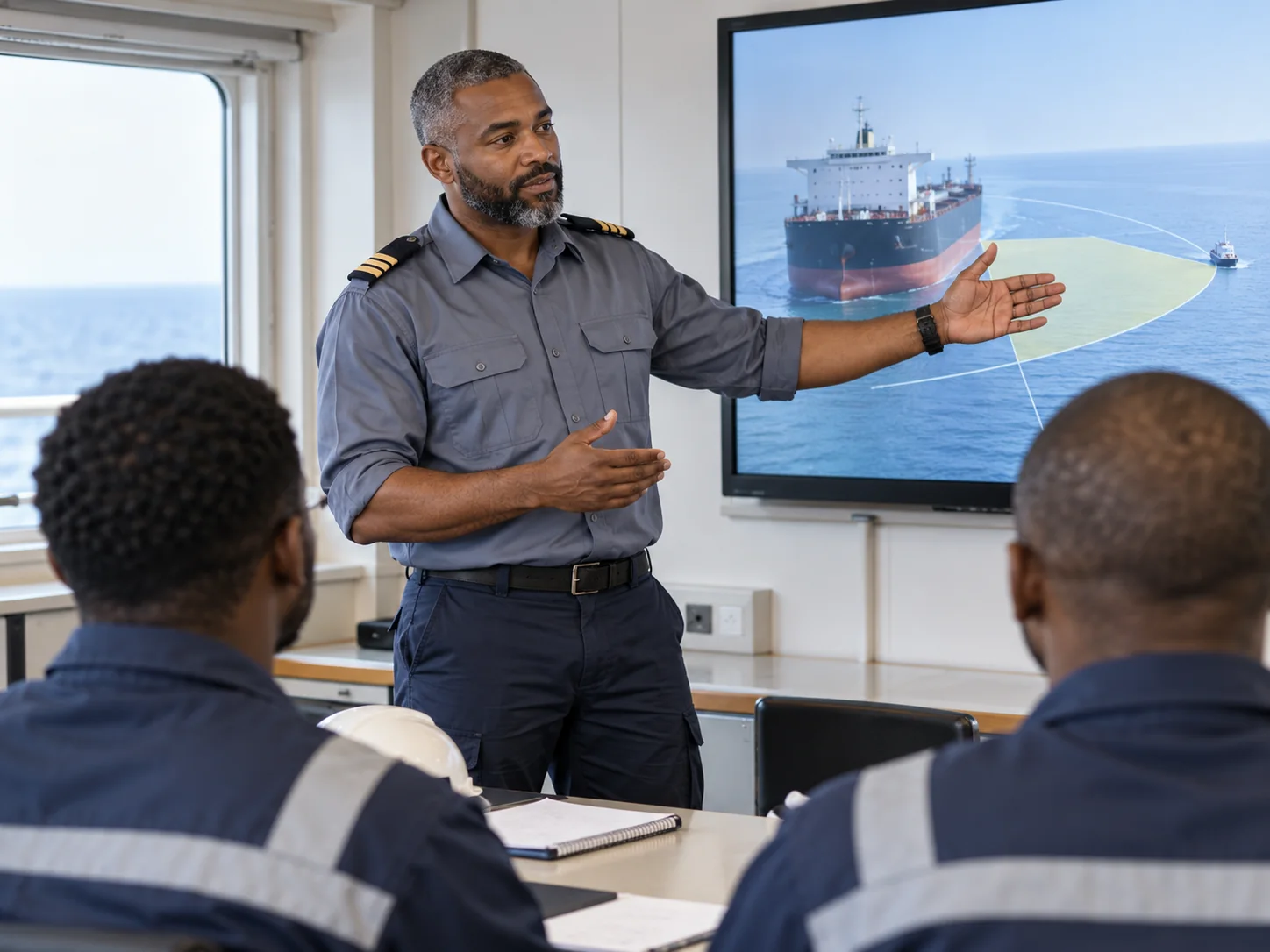
PSSR learning covers responsibilities and safe conduct onboard. Ask the approved provider and employer to explain the current reporting and support routes for the vessel; these can vary by company and ship.
During induction, identify the onboard safety, welfare and complaint contacts available to you. For urgent danger, follow the ship’s emergency process. For support, use the employer’s designated crewing or safeguarding contact and keep a record of relevant events.
Training gives seafarers knowledge and response tools; employers, shipboard leaders and administrations have their own duties. Follow official policy and seek appropriate help if you encounter unsafe or abusive conduct.
IMO explains the STCW framework and the amendment now in force. Before paying, match the exact course title and competence in the vacancy to the provider’s approval, syllabus, practical assessment and certificate. Confirm recognition with the employer or maritime administration, and ask about prerequisites, expiry or refresher rules and the full cost.
IMO requirements are implemented through administrations and approved providers. Check current instructions for your role.
PSSR means Personal Safety and Social Responsibilities. It is one of the four elements of STCW basic training under regulation VI/1.
IMO says amendments to STCW Code table A-VI/1-4 entered into force on 1 January 2026. They add mandatory basic training on preventing and responding to violence and harassment, including sexual harassment, bullying and sexual assault.
IMO describes the requirements as mandatory training for all seafarers and part of mandatory basic training under PSSR. Confirm local implementation and accepted proof with the authority and employer.
Yes. PSSR is one of the four elements, alongside Personal Survival Techniques, Fire Prevention and Fire Fighting, and Elementary First Aid.
Ask the approved provider and employer to explain reporting and support procedures. Routes can depend on the vessel and company policy.
Validity and refresher or revalidation requirements depend on the certificate, administration and employer. Follow current official instructions.
Use only a delivery method approved for the course by the administration and accepted by the employer. Some assessment may require supervised participation.
Verify approval for the specific course with the maritime administration or ask the employer for an accepted provider list before paying.
Compare related training pathways. Requirements and course acceptance depend on the role, employer, vessel and responsible maritime administration.
Put the information to work
PSSR connects personal safety, communication and shared responsibility onboard. Use the course to understand the ship’s reporting arrangements and conduct expectations; follow the employer’s policies and seek guidance when an incident or concern needs escalation.
Action 01
Check the area, equipment and task instructions before work. Use required protective equipment, keep access clear and report a hazard or near miss promptly through the vessel’s stated channel.
Action 02
Use plain language, confirm that important instructions are understood and speak up when you need clarification. Respect differences, protect personal information and avoid sharing unverified accounts of an incident.
Action 03
Learn the onboard route for safety, harassment, welfare or conduct concerns and any urgent emergency contact. Record factual details and seek a responsible supervisor or designated contact if the first route is unavailable.