Every crew journey is different.Learn from the paths people took.
Explore published career stories from cruise professionals and take away practical ideas about training, mentoring, transferable skills and the choices behind a career at sea.
Real accounts, linked to their original publishers
Personal experiences, not promises
One person’s route is never a guarantee for another.
Career stories can show the people, skills and decisions behind a role. The accounts below come from employer-published profiles and remain the experiences of those individuals. They are not independent reviews, job offers or proof that every crew member will have the same schedule, progression or opportunities.
Use them as a starting point: notice what experience mattered, what the person learned, how a role changed and which support helped. Then compare those lessons with the qualifications and duties in the vacancy you want.
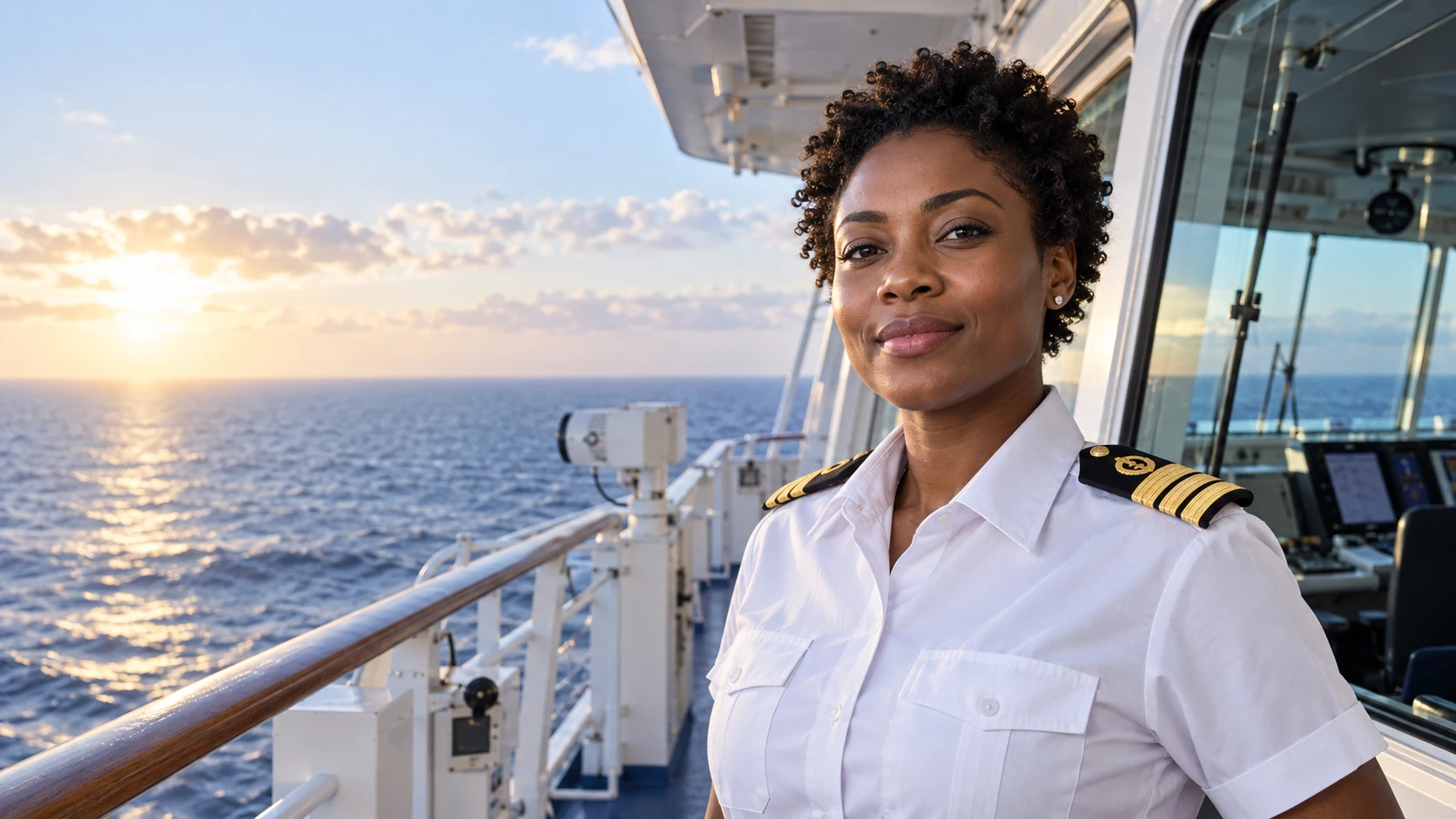
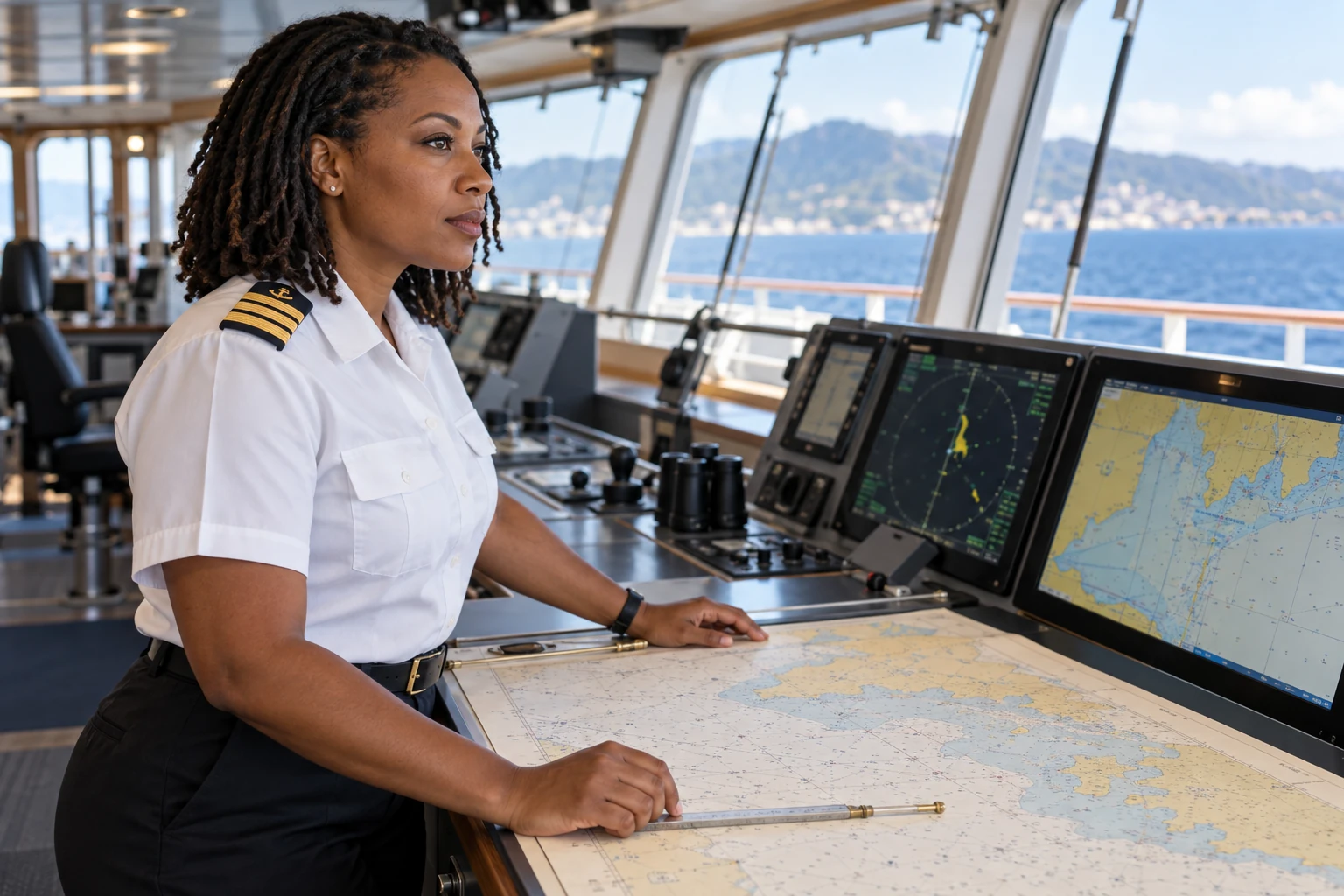
Image note: The photographs on this page are illustrative editorial images. They do not depict Rachel, Rose or Vernon, the people featured in the linked stories.
Published crew journeys
Three paths, three kinds of experience.
These short summaries keep the focus on each person’s own account. Follow the source links to read the full story from the original publisher. Record the tasks and responsibilities you can support with references, service records or certificates. Compare them with the vacancy’s must-haves, contract and joining requirements, and ask the recruiter about any gap rather than assuming it will be waived.
Illustrative image; not a portrait of Rachel.
Marine operations · Disney Cruise Line
Rachel: from guest-facing work to deck officer
Rachel’s published account describes a career that began in Disney’s cultural representative programme before she joined the opening team of the Disney Dream. Learning about marine and technical operations while onboard led her to nautical college and a later deck-officer role. Her story connects curiosity, formal study and a move into work centred on vessel operations and safety.
For applicants, the practical lesson is to verify the training and certificates required for marine roles. Guest-service experience alone does not replace the approved qualifications needed for licensed duties.
Rose’s account describes nearly six years onboard as a Cruise Programme Administrator, followed by a shoreside role in deployment and itinerary planning. Her understanding of ship operations and guest experience helped her interpret practical details, such as how port processes affect the day’s schedule.
This is an example of experience transferring across teams. It does not mean a shoreside role is automatic: skills, openings and selection criteria still apply.
Vernon: from shipboard shows to shoreside programming
Vernon’s published account describes 13 years working aboard ships before moving ashore, where his responsibilities grew into a live-music programming role. His earlier work preparing orchestras for performances and maintaining venue standards gave him relevant operational experience for the office position.
The story shows how skills can travel between settings: planning, quality standards, team coordination and understanding the needs of a live venue. It also reflects an individual timing and opening, not a standard career ladder.
When reading a career profile, separate the person’s specific circumstances from advice you can act on. These themes recur across the published journeys above. Turn the points below into a short action list: what is already confirmed, what evidence you have and which person or authority can answer each open question. Keep the relevant vacancy and written instructions together so decisions are based on your actual role and route.
Build relevant skills
Identify the experience, education or certificate required for your target role. Follow the recognised route and check official requirements before paying for training.
Ask for guidance
Mentors and colleagues can help people understand options. Seek reliable advice from employers, qualified professionals and relevant maritime authorities.
Show transferable work
Use specific examples of planning, guest service, safety, performance, leadership or technical responsibility that match the vacancy.
Keep expectations realistic
Progress depends on vacancies, performance, qualifications and employer decisions. A published success story cannot promise a similar result.
Map your next step
Write your own story with facts you can support.
Start with the role you want and work backwards. Check its duties and qualifications, note what you already meet, then make a practical plan for any gaps. For each role, identify the day-to-day tasks, who it reports to, the expected experience and any mandatory qualification. Build a shortlist around evidence you can provide, then use the live vacancy to confirm current duties and conditions because titles vary by employer.
Use verified details
Keep job titles, dates, responsibilities and training consistent with records you can provide. For “Use verified details”, note the requirement, the document or example that proves it, who confirms it and the next date to check. Use the named employer or authority for your specific assignment.
Choose relevant examples
Prepare specific situations that show how you handled a real work challenge or responsibility. For “Choose relevant examples”, note the requirement, the document or example that proves it, who confirms it and the next date to check. Use the named employer or authority for your specific assignment.
Ask about progression
Discuss possible development routes with recruiters, while recognising that advancement depends on openings and selection. For “Ask about progression”, note the requirement, the document or example that proves it, who confirms it and the next date to check. Use the named employer or authority for your specific assignment.
Read the written terms
Compare any offer with the contract, joining instructions and requirements for your role before you commit.
Each profile is a personal journey. The details of your own job, employer and career decisions may be different.
Are these stories from real cruise ship crew members?
Yes. These profiles summarise first-person accounts published by Disney and Royal Caribbean Group. Each links to its original source. The images are editorial illustrations and do not depict the individuals named.
Do the stories mean I can follow the same career path?
No. These are individual journeys, not promised pathways. Progression depends on qualifications, openings, performance, employer criteria and business needs.
Can shipboard crew later work ashore?
Some people move into shoreside roles, as the Royal Caribbean Group accounts show. A transition is not automatic; relevant experience and vacancies depend on the position and company.
What can I learn from a crew career story?
Look for specific skills, training, mentors, role changes and decisions behind the person’s journey. Use those details to identify realistic next steps for your background rather than assuming your route will be identical.
Are cruise line employee stories independent reviews?
The linked profiles were published by the employers featured. They provide firsthand accounts, but are selected company stories rather than independent reviews or guarantees of working conditions.
How do I prepare to apply for a cruise ship job?
Match your real experience to the vacancy, confirm its qualifications and documents, prepare specific interview examples and read the written offer carefully. Requirements vary by role and employer.
Continue planning your route
Related crew guides
Explore job preparation, career routes and practical onboard guidance connected to these experiences. Shipboard work includes routines between port calls: safety drills, handovers, shared spaces and role-specific shifts. Confirm the applicable rest arrangements, cabin allocation and personal-item rules with the employer, then follow the vessel’s induction and safety instructions.